

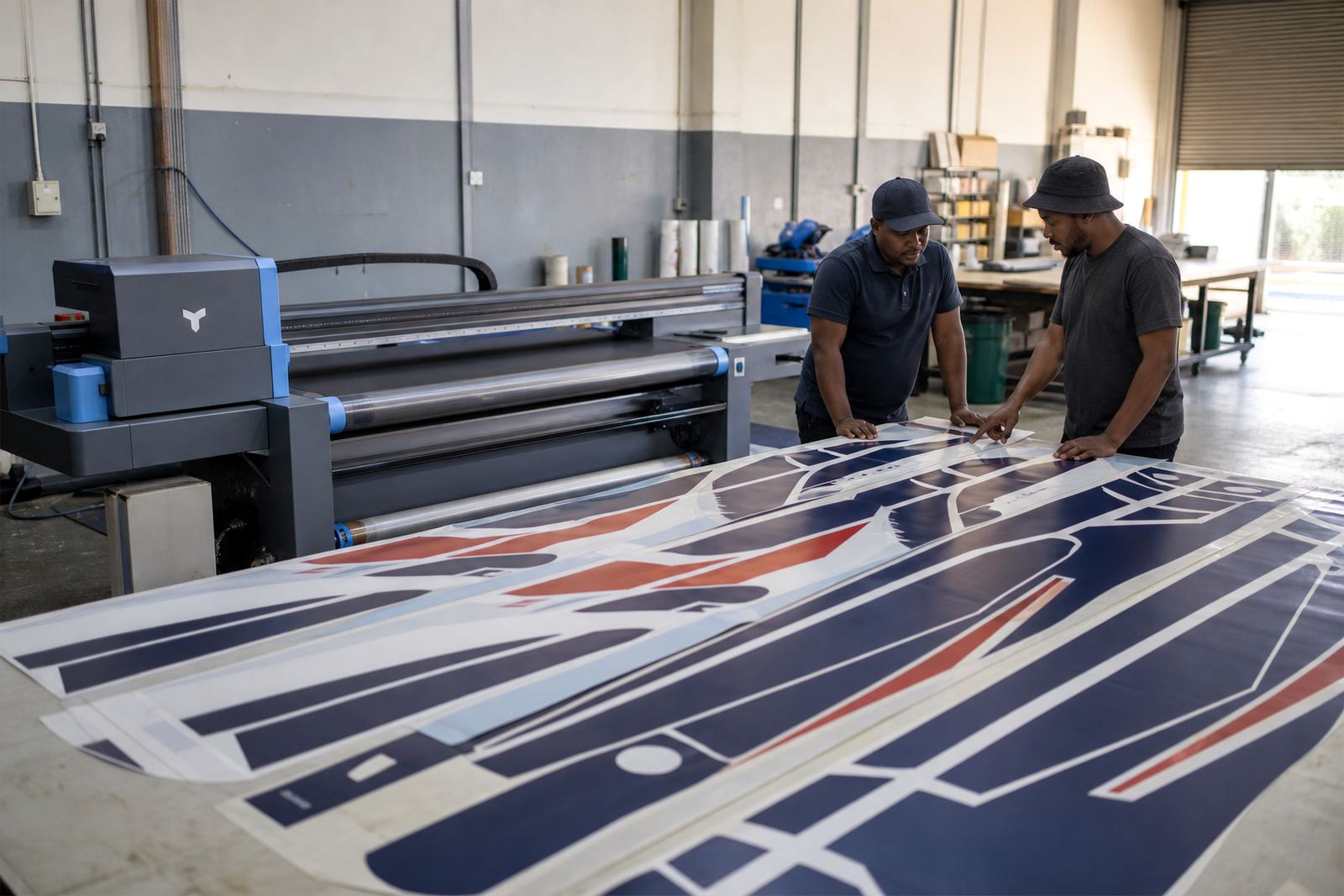
Jobs that start with a control board, not a guess
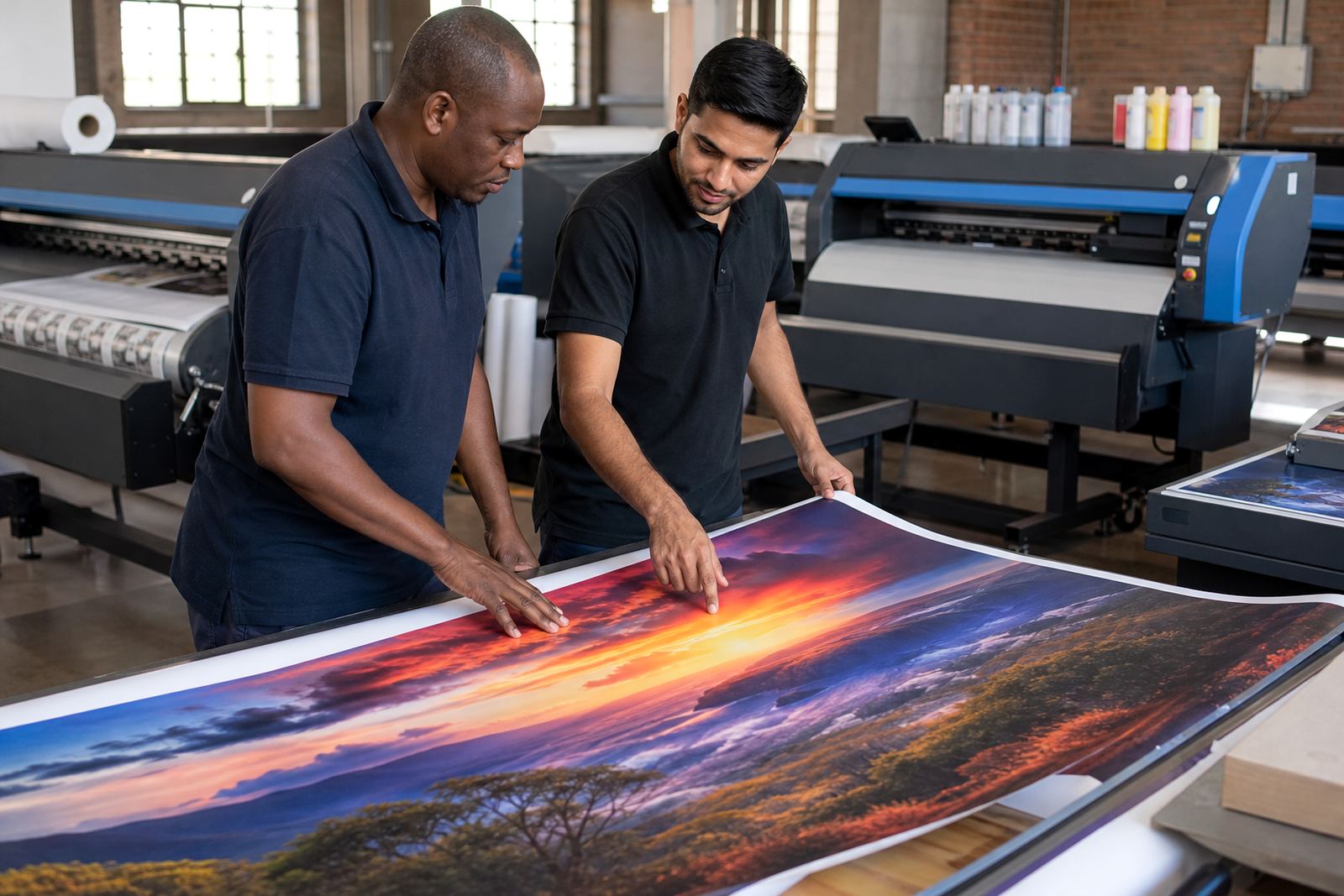
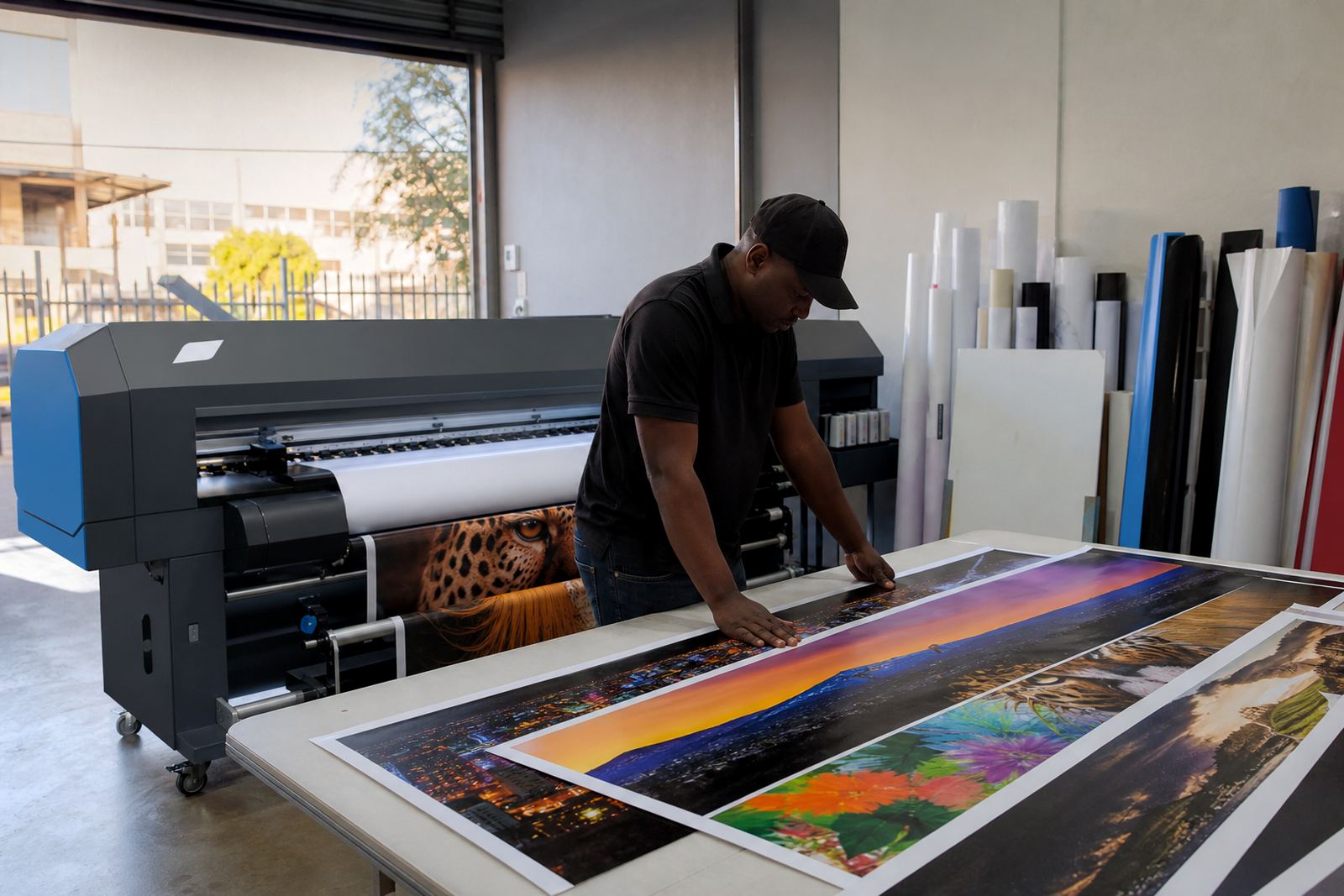
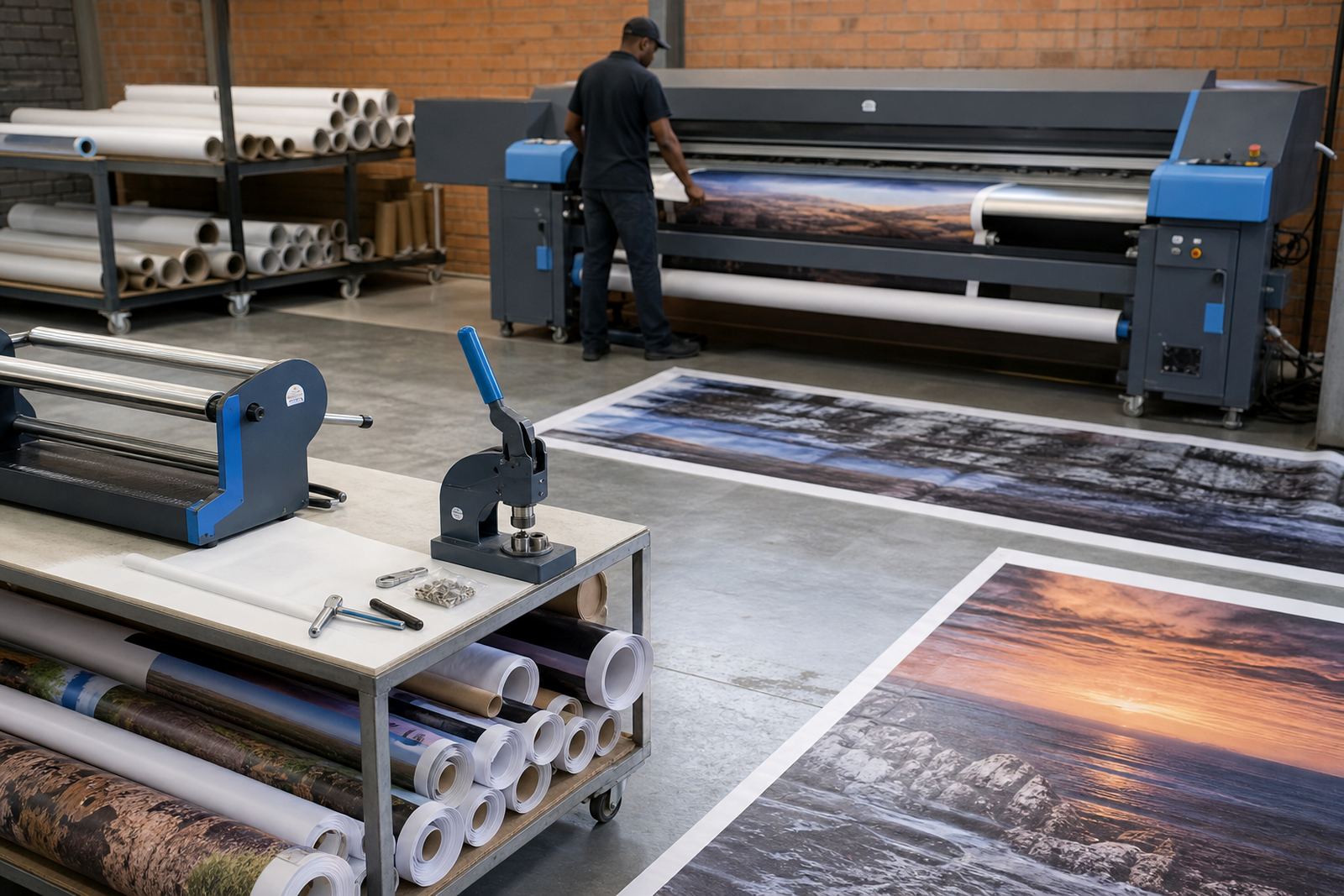
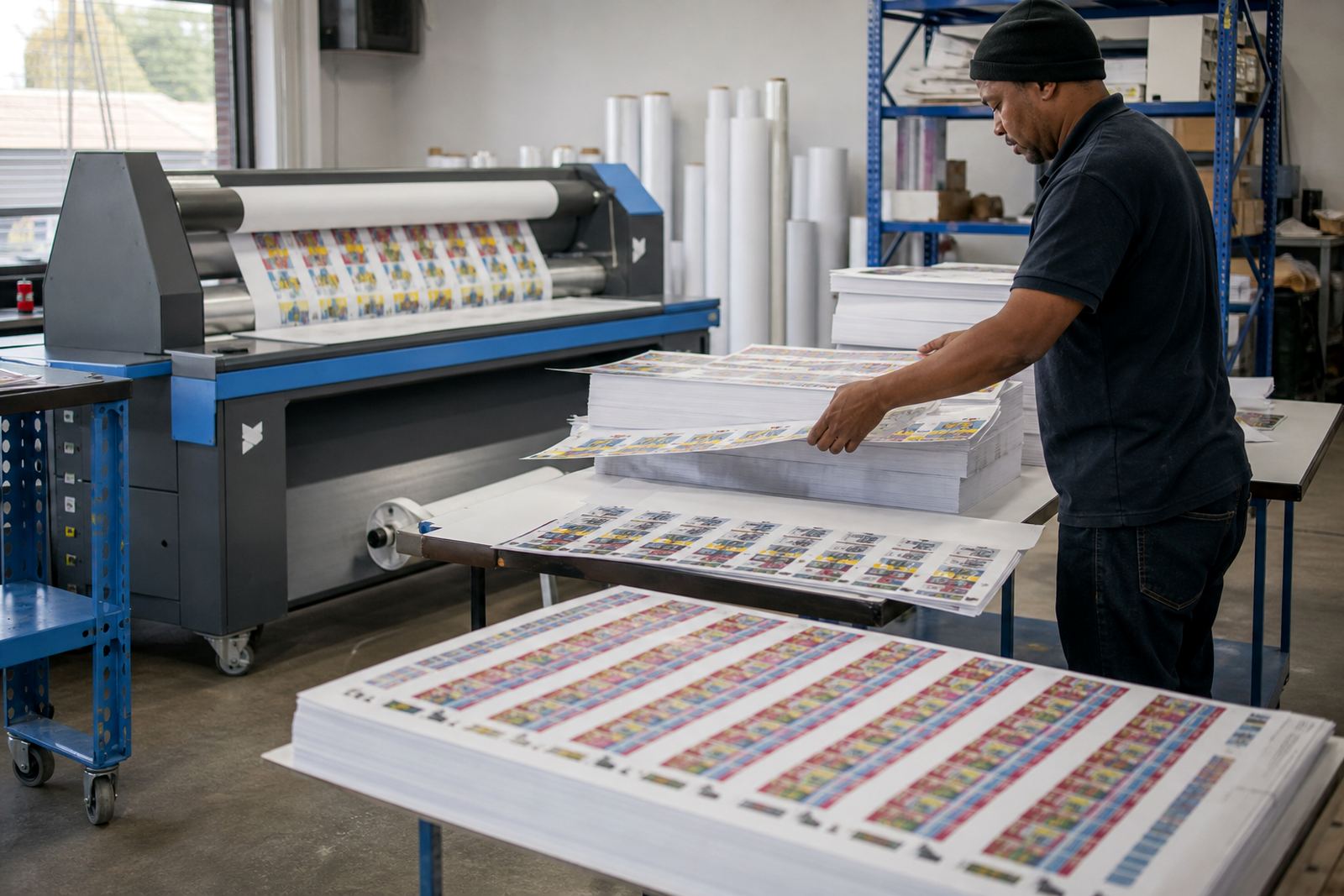
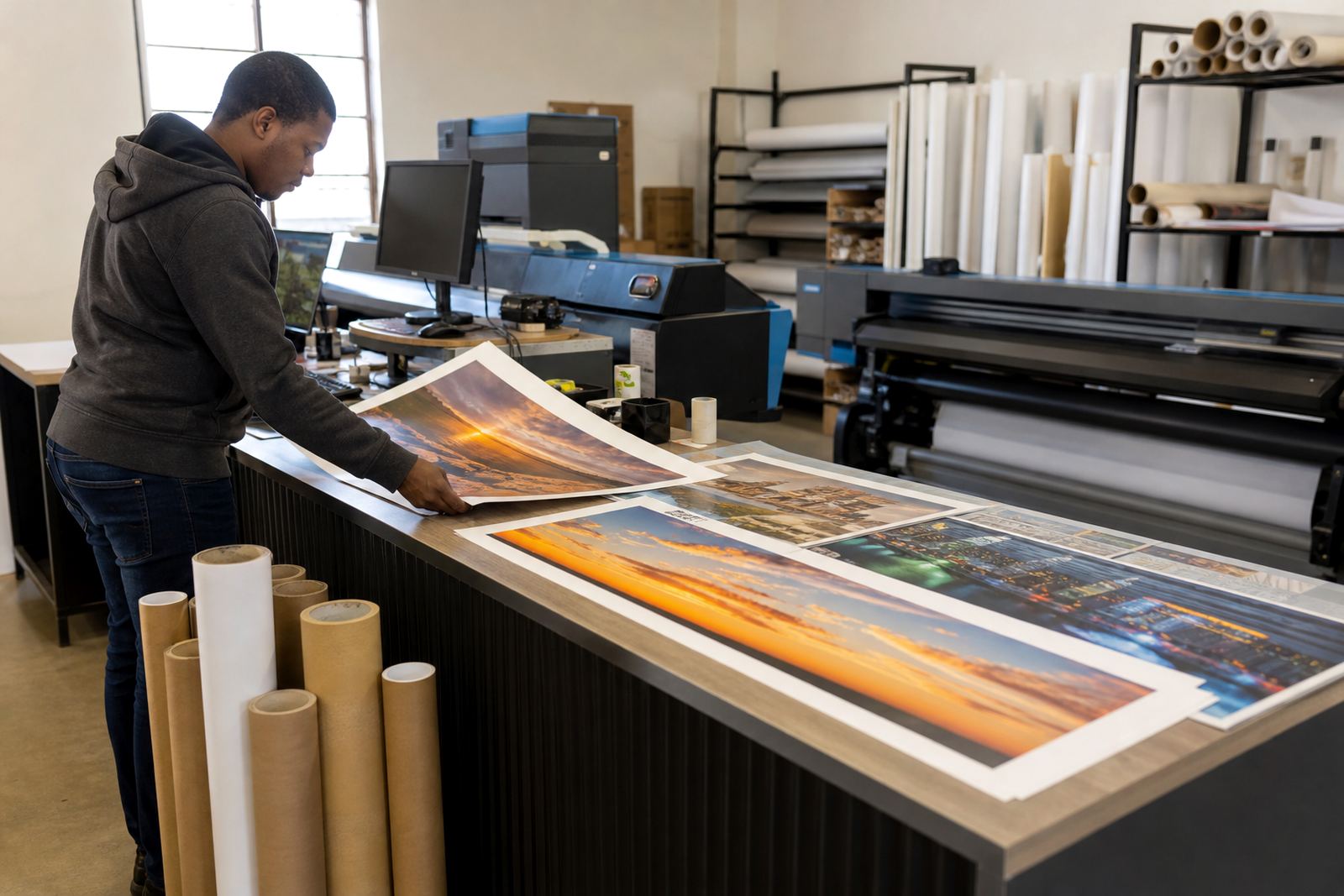
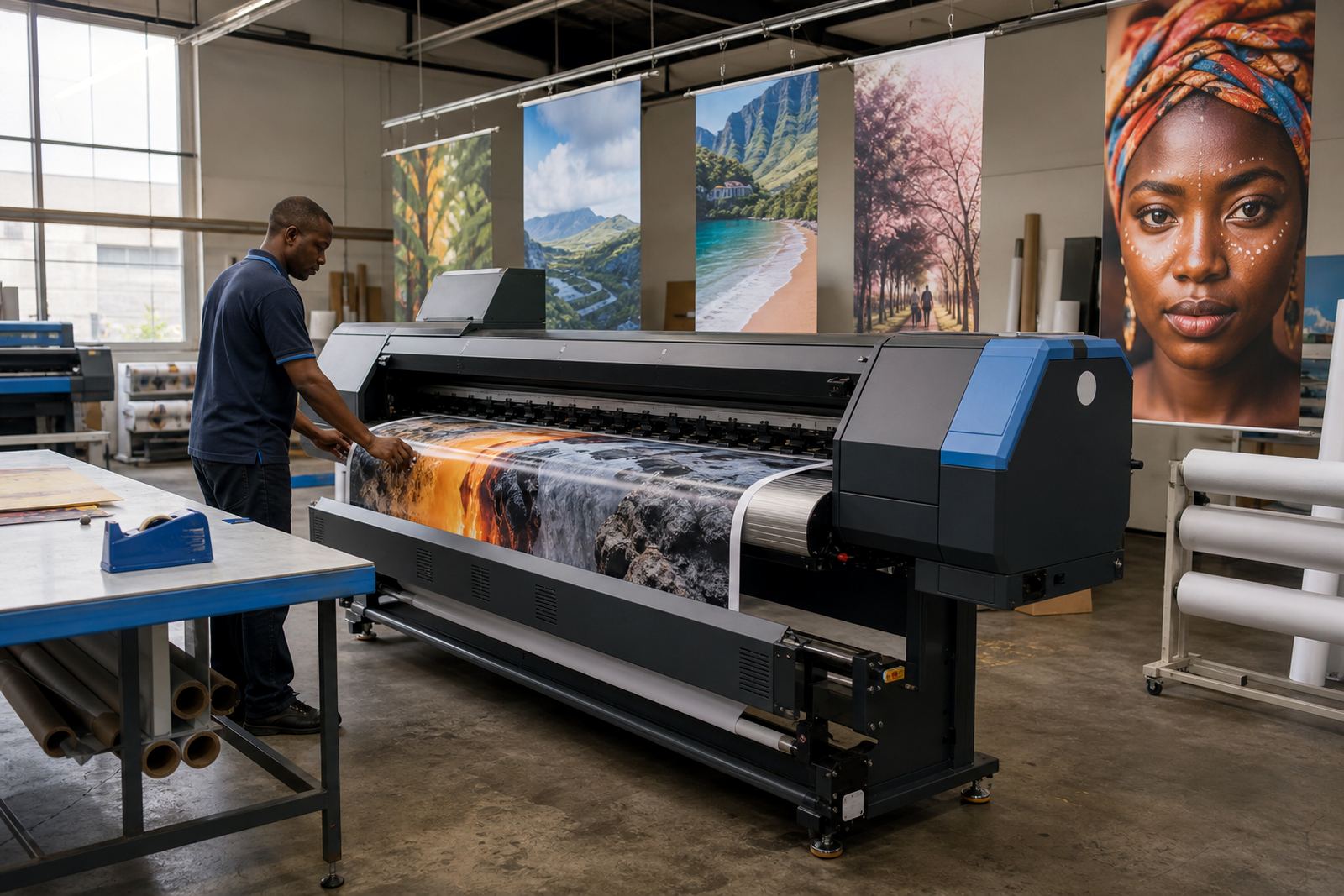
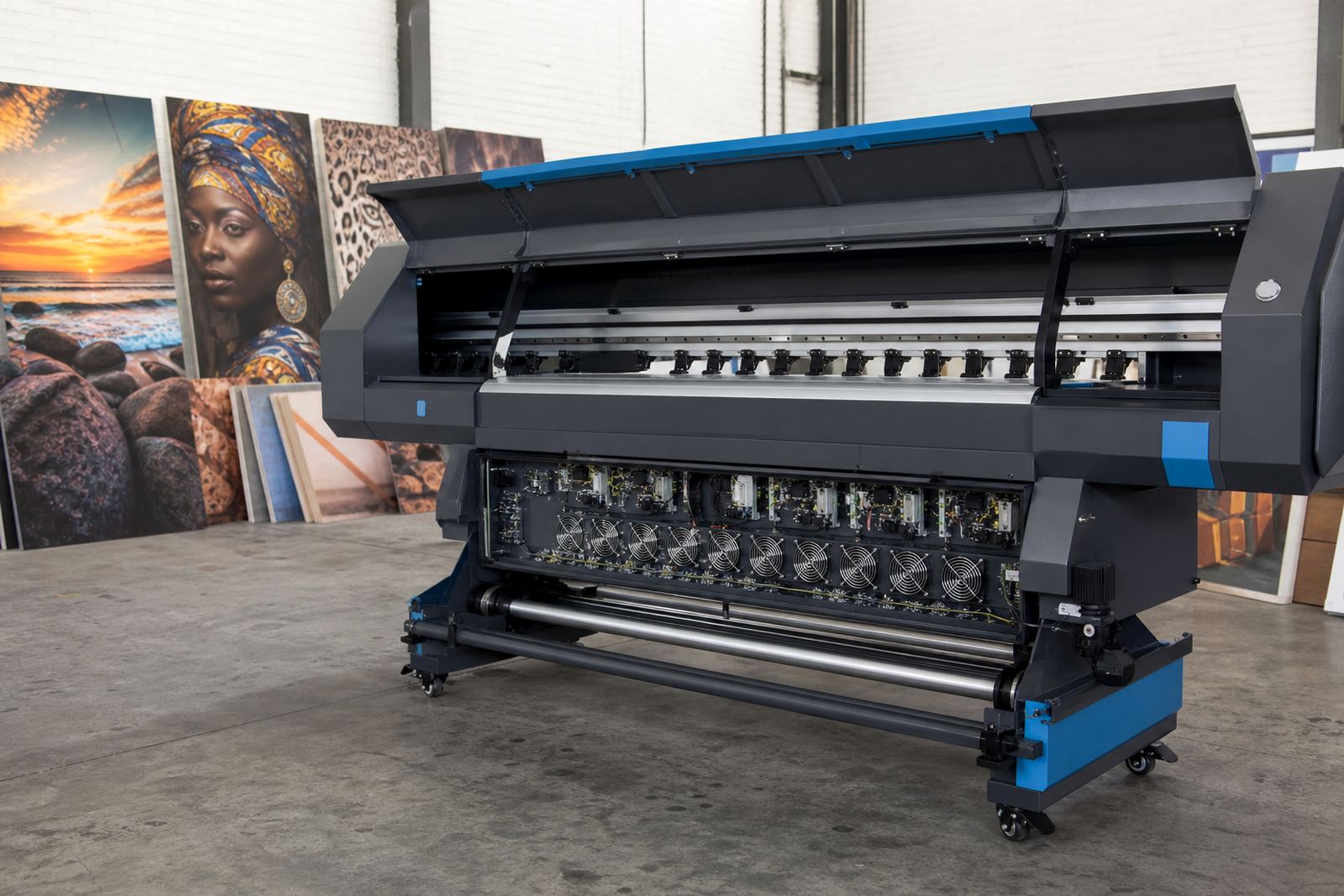
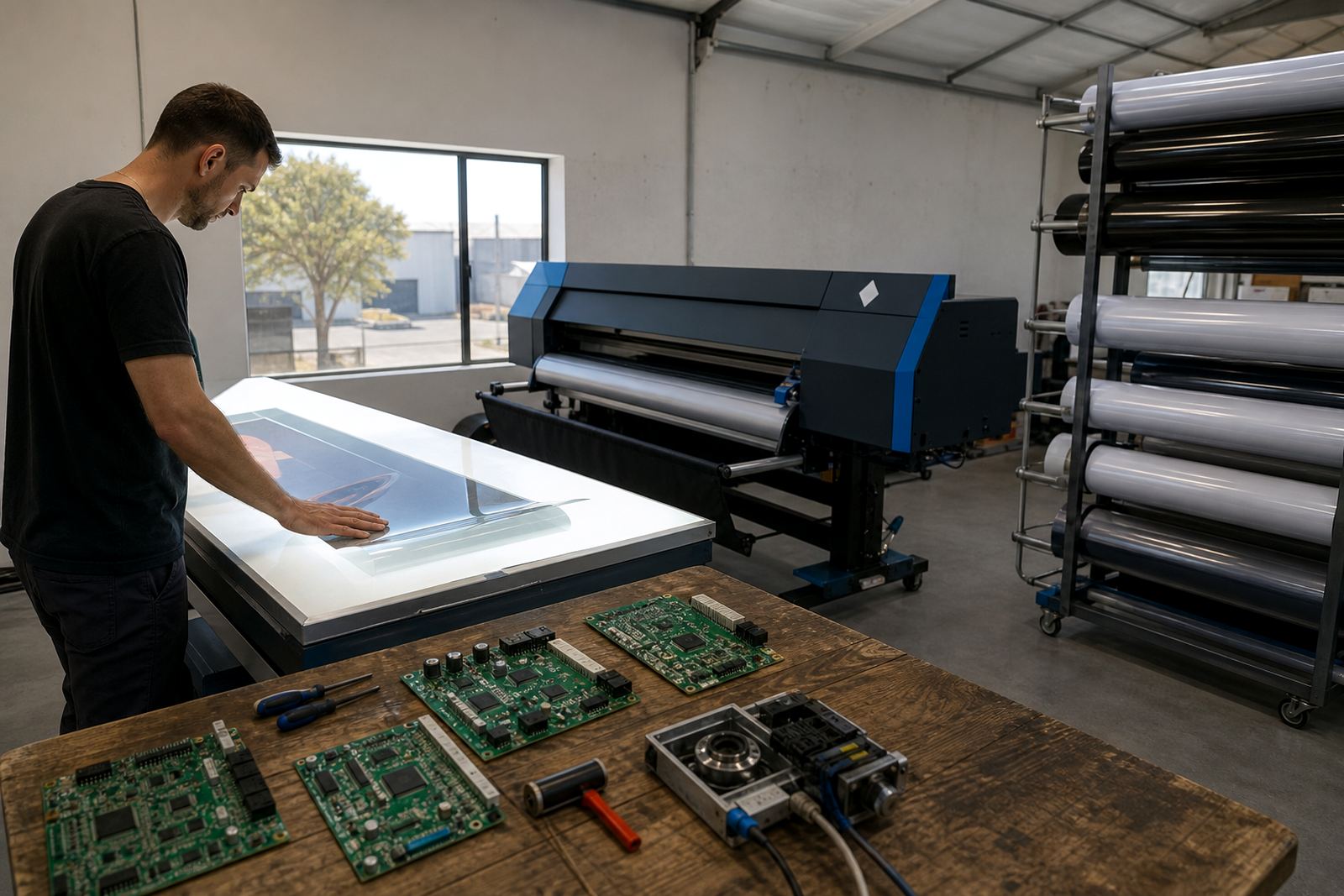
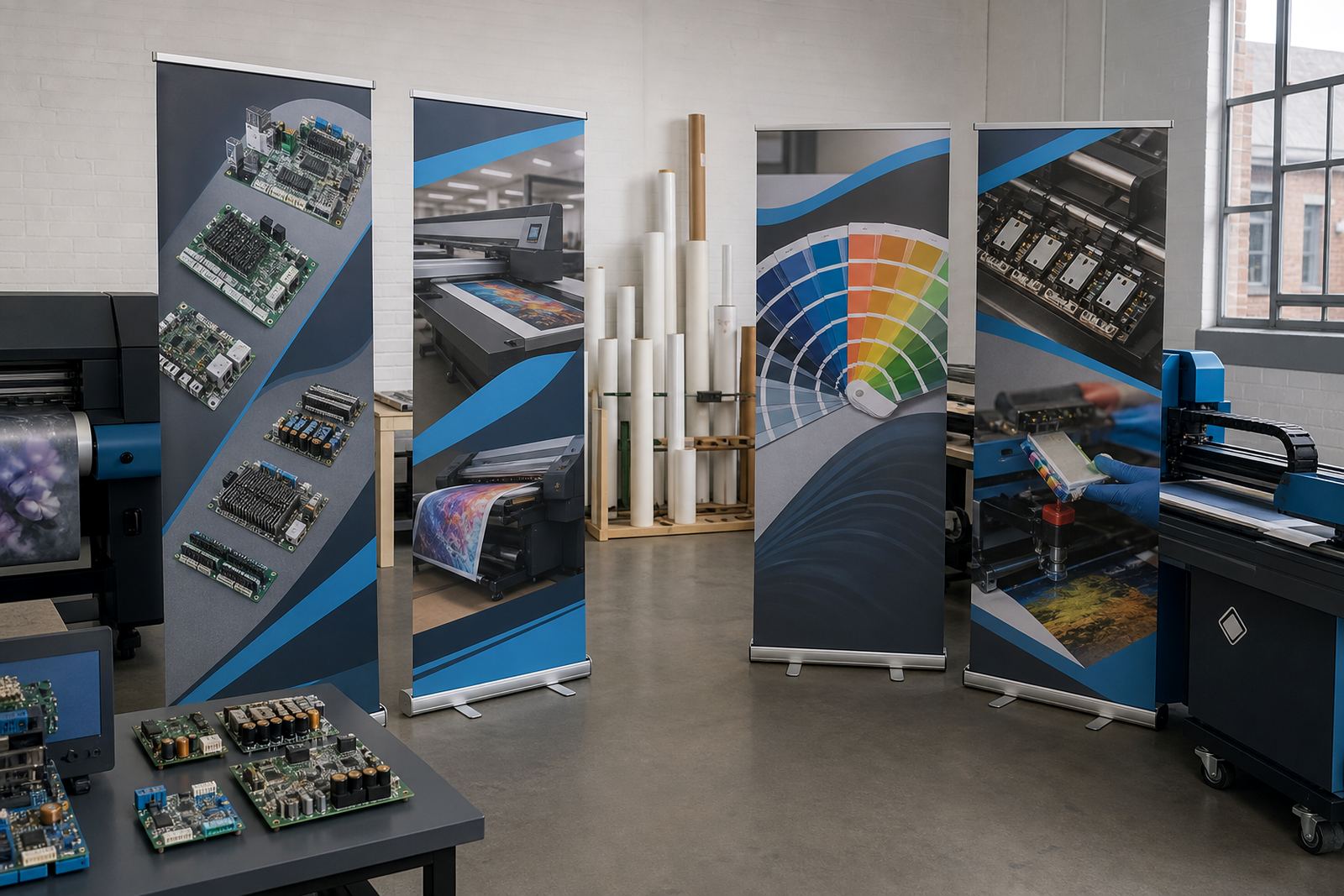
Wide-format inkjet work begins with the board that tells the printer how to move, fire and hold a clean pass. In a busy print shop, a stable control board matters because it keeps registration steady on long runs, trims errors and gives the operator a proper base to work from. We set up boards for printshops that need dependable output on banners, self-adhesive vinyl, backlit film and other common production media.
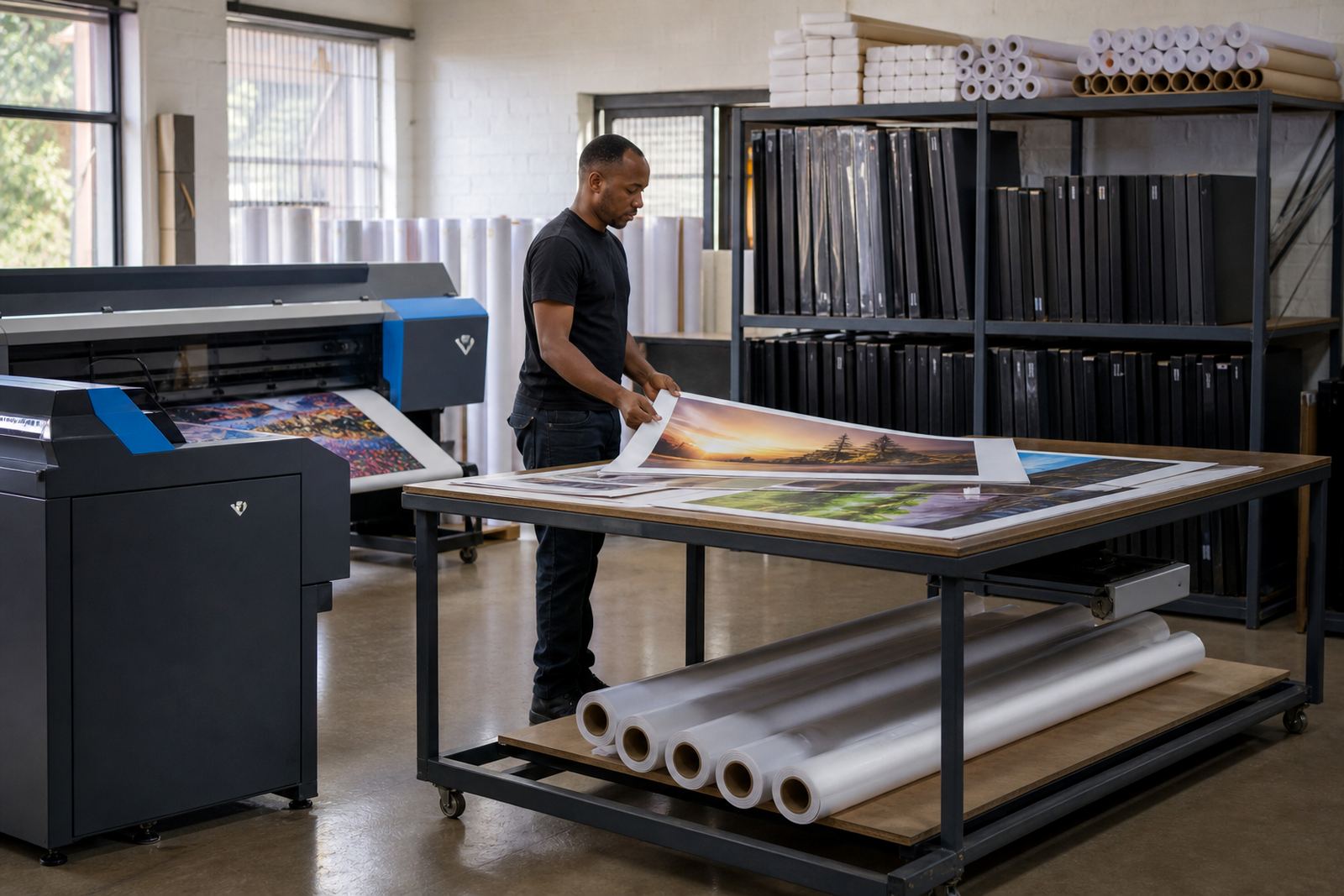
The jobs below are grouped by area and client type only. That keeps the focus on workflow and print results, not on sales talk. If a shop in Midrand needs a board repair and colour reset, the job looks very different from a Durban site that is pushing volume on humid days, so the support plan changes too.
Midrand production rooms with mixed daily output
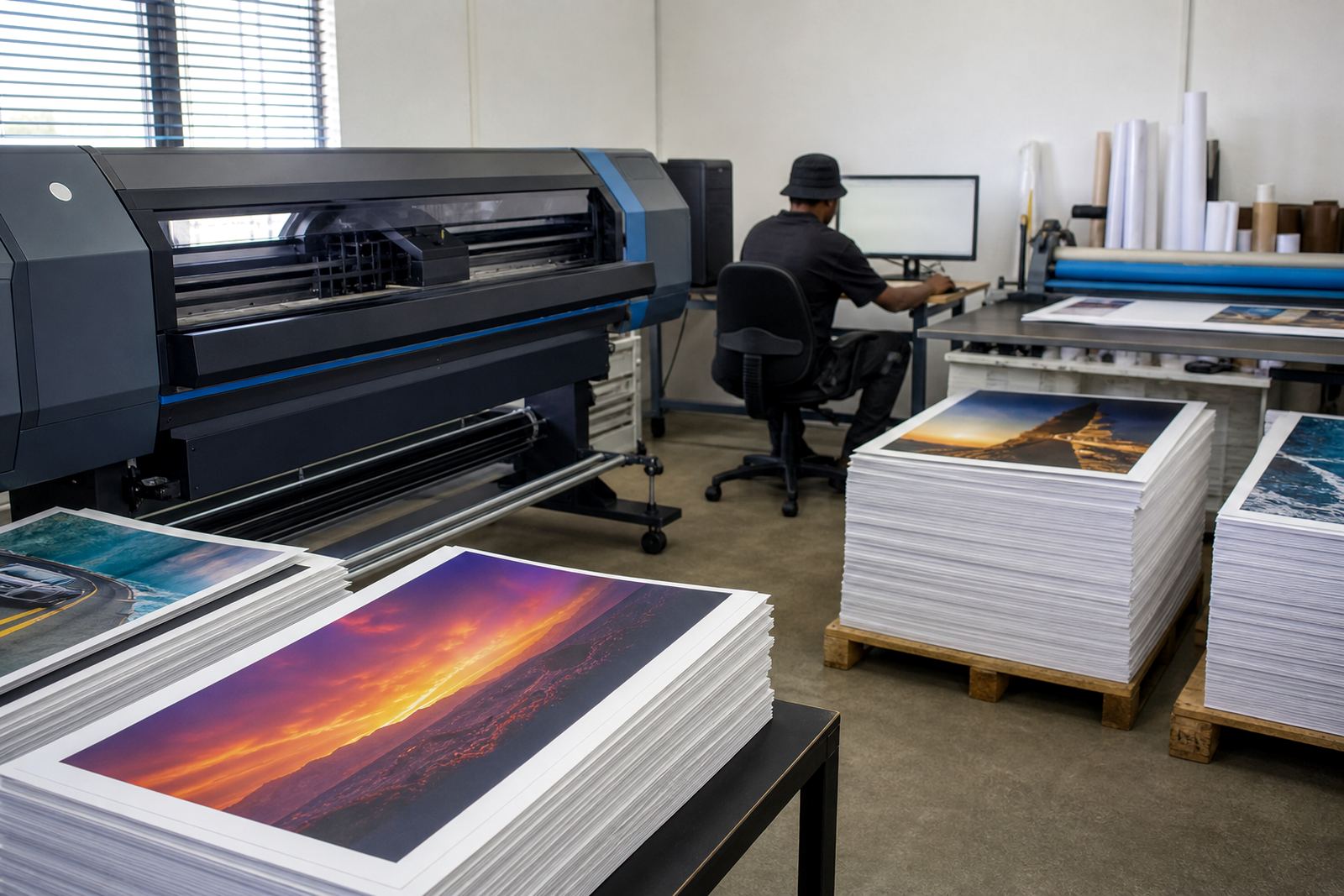
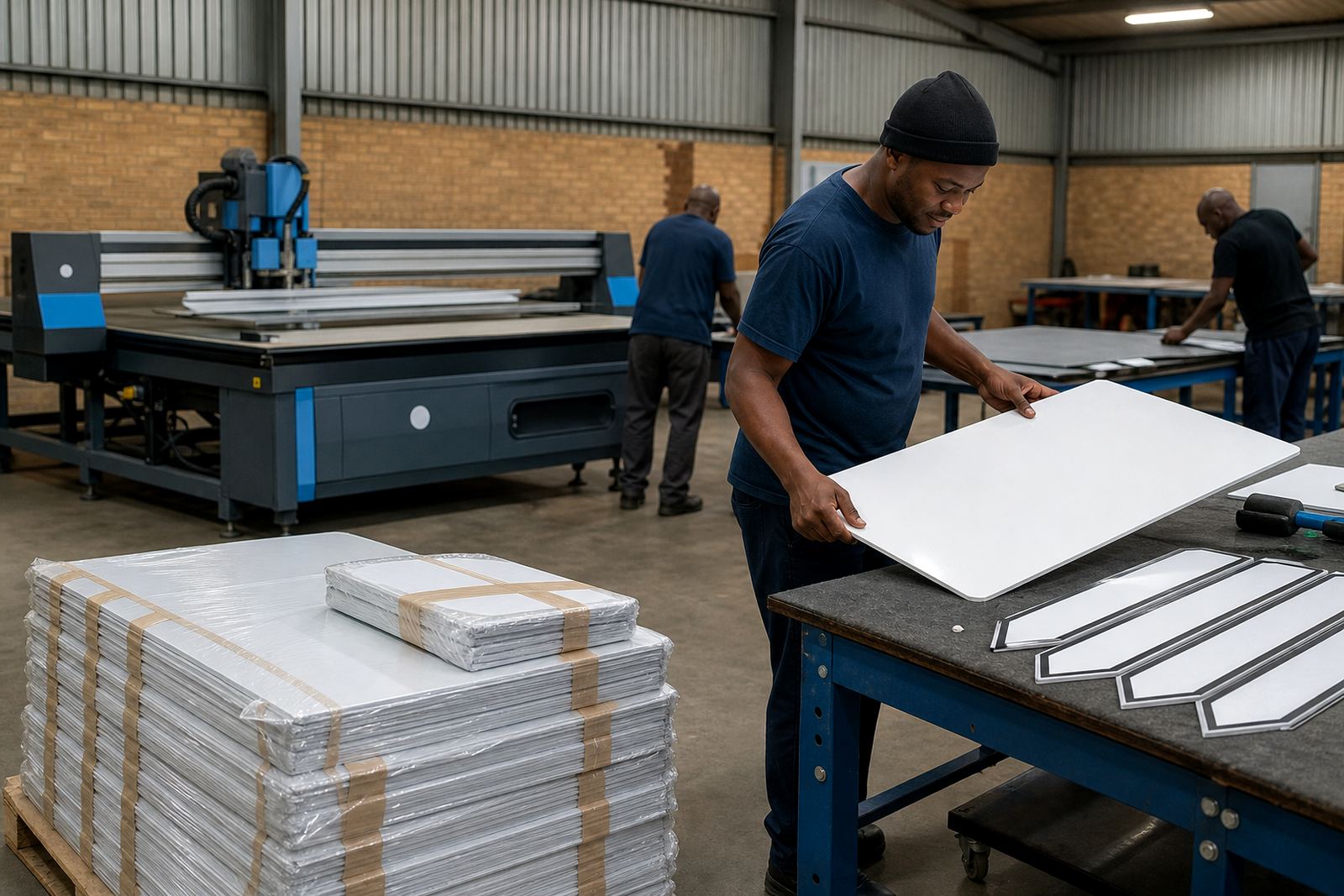
In Midrand, many jobs combine retail signage, point of sale panels and short production batches for local installers. Those sites often need RIP setup that handles queue control cleanly, plus printhead driver settings that match the printer model and ink set in use. We also set nesting rules so smaller pieces use the sheet well, with less waste on every run.
- RIP installation for mixed job queues
- Printhead driver setup for cleaner pass control
- Colour profile setup for repeatable branding work
- Backup and recovery for job files and settings
Some rooms also need maintenance plans that cover cleaning cycles, nozzle checks and operator routines. That keeps production moving when staff change shift or a machine has been sitting idle after a quiet weekend.
Johannesburg and Pretoria shops handling client deadlines
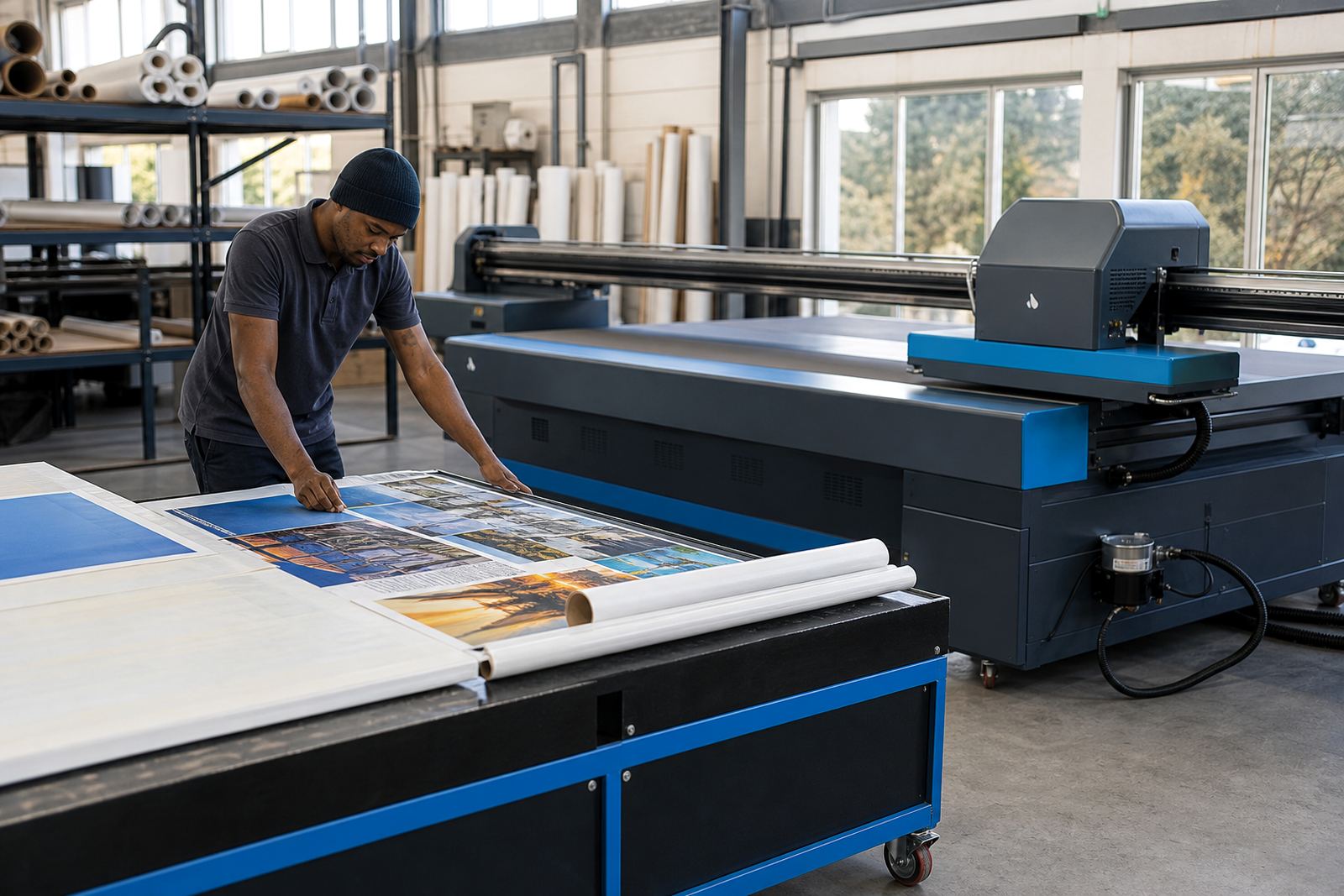
Johannesburg and Pretoria jobs often involve a printshop that works from artwork supplied by agencies, shops or in-house design teams. The pressure is usually on consistency: the same blue must stay the same on different media, and the same layout must nest properly for several board sizes. A good RIP setup helps keep those details under control.
For these sites, colour profile work matters just as much as the physical printer board. We tune the output path so the printer uses the right ink limit, lays down solid blacks and keeps gradients smooth on graphics that carry fine text. When a job lands with a crooked feed or repeated banding, fault finding starts at the board, the driver settings and the media profile together.
Coastal work in Durban and Cape Town
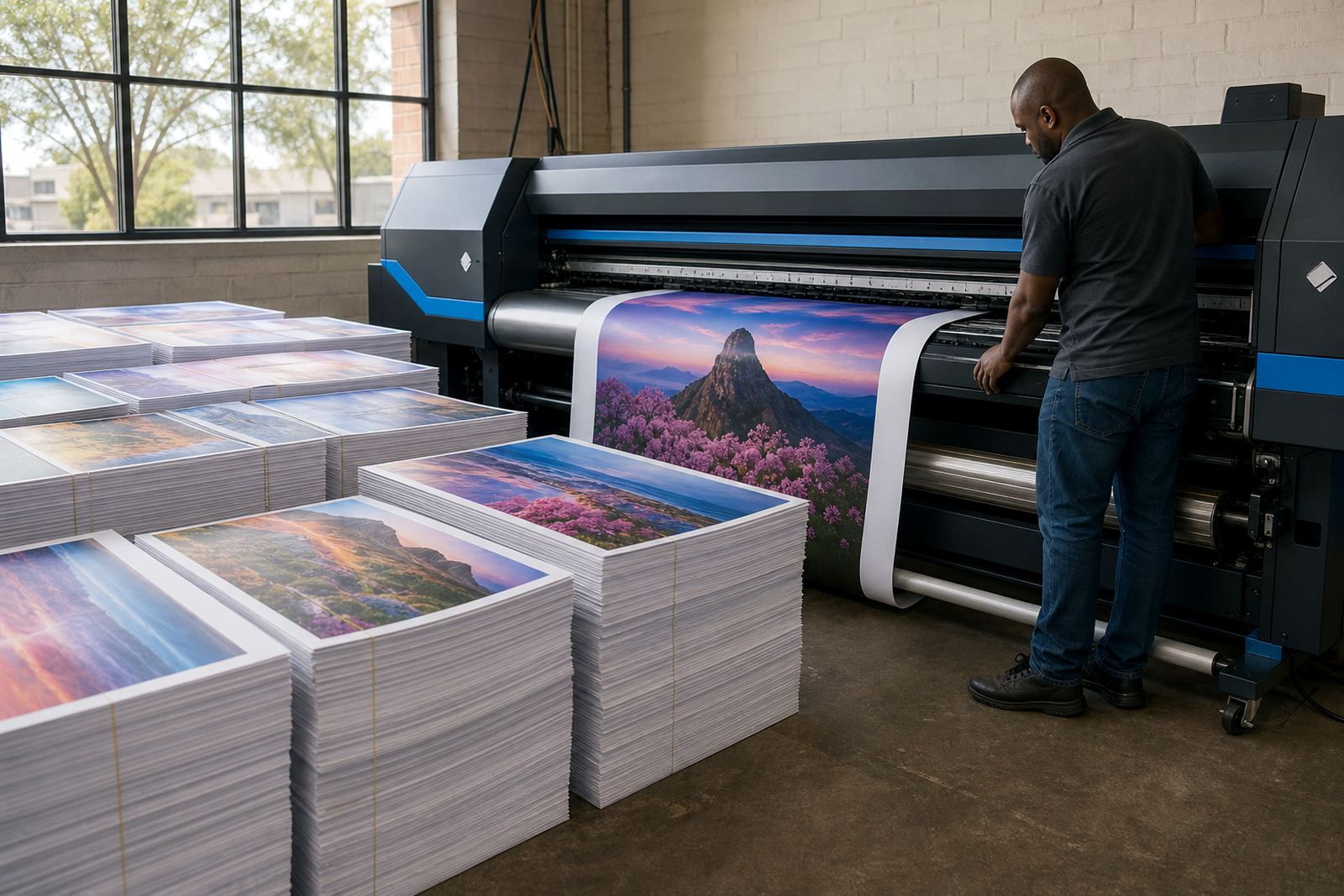
Durban and Cape Town production rooms deal with coastal humidity, salty air and media that can change behaviour through the day. That affects drying, feeding and edge detail, especially on heavier print jobs. For those sites, preventive maintenance and steady colour workflow are important, because a small drift can show up quickly on a long banner or a full wall graphic.
- Maintenance checks for feed and sensor issues
- Colour tuning for changing room conditions
- Remote setup when on-site access is limited
- Operator training for daily cleaning and checks
We also look at nesting and queue order for busy coastal shops, since the job mix often changes through the week. That helps keep rush work separate from longer production runs, with less stopping and starting at the printer.
Bloemfontein and cross-country production support
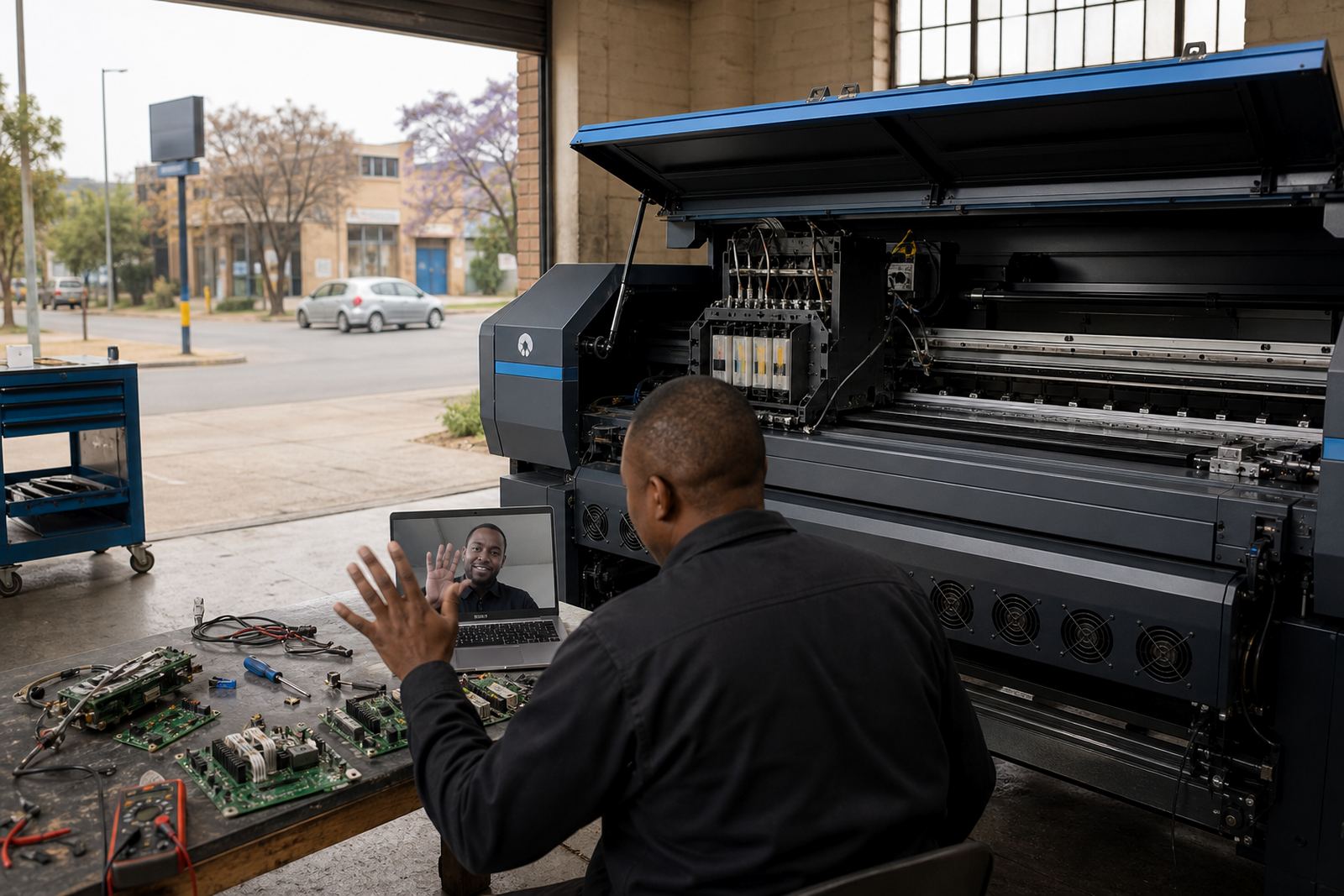
Bloemfontein jobs often involve print facilities that need a stable system over distance, with remote setup and support for the board, RIP and operator workflow. That can include backup recovery after a software change, or tuning the production path when a shop adds another printer to the line. The aim is plain enough: keep the files moving and the output readable.
These jobs may include queue workflow design for teams that split art, print and finishing duties. When the handover is clear, the operator knows which file goes where, which profile to use and when to hold a job for review. That saves time during busy periods and cuts avoidable reprints.
What the job cards show at a glance
Each example job on this hub is a working reference. It shows the kind of environment, the output need and the technical pieces involved, without drifting into marketing language. A signage house, a label-style production room or a large format print facility may all need the same core tools, but the settings will differ from job to job.
- Area and client type
- Board or RIP task involved
- Colour, nesting or maintenance focus
- Remote or on-site support requirement
If you are comparing jobs, look for the production pattern first. A retail graphics team may need fast queue handling, while a high-volume facility may care more about backup recovery, operator training and predictable colour from one shift to the next.