The print room pressure behind the brief
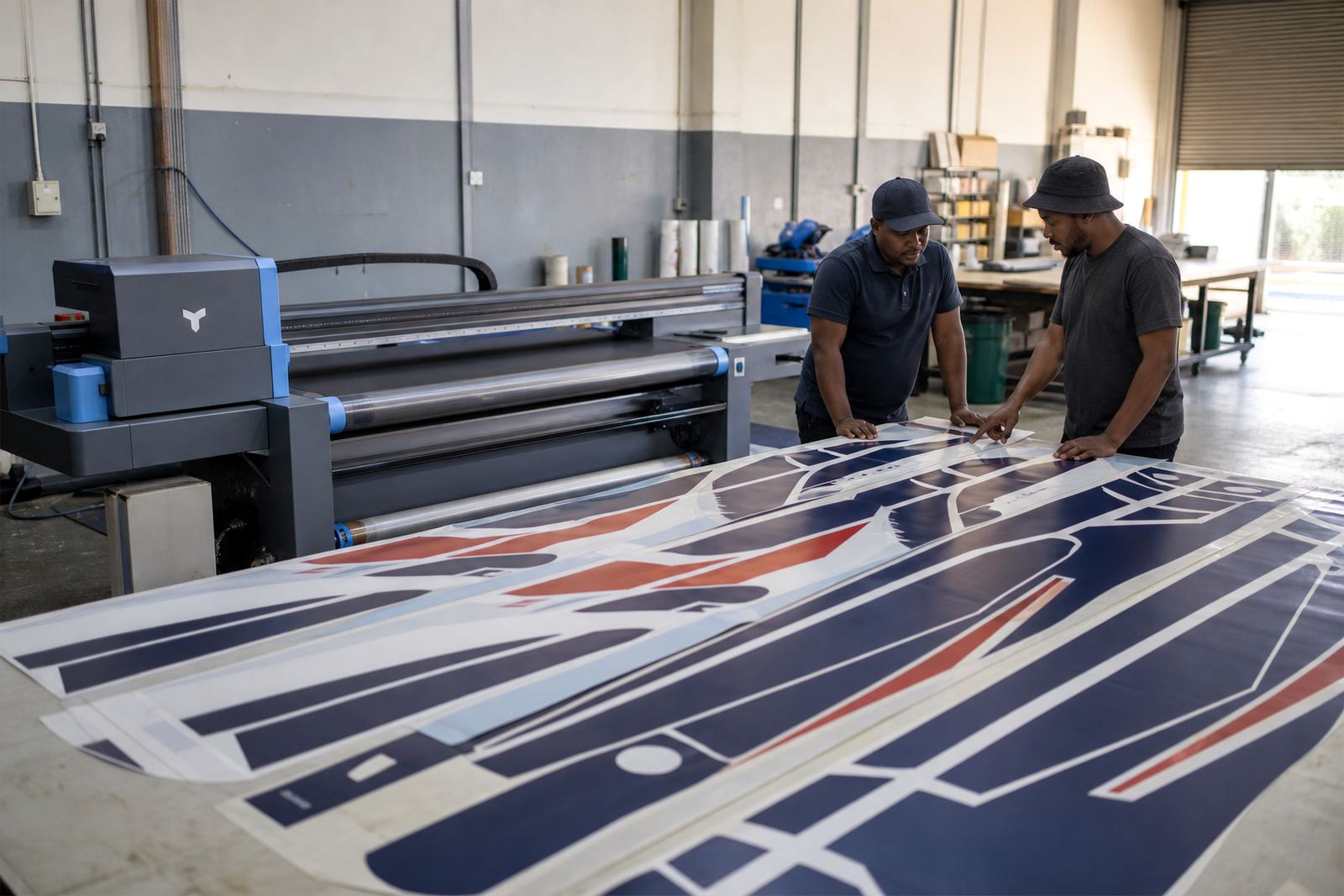
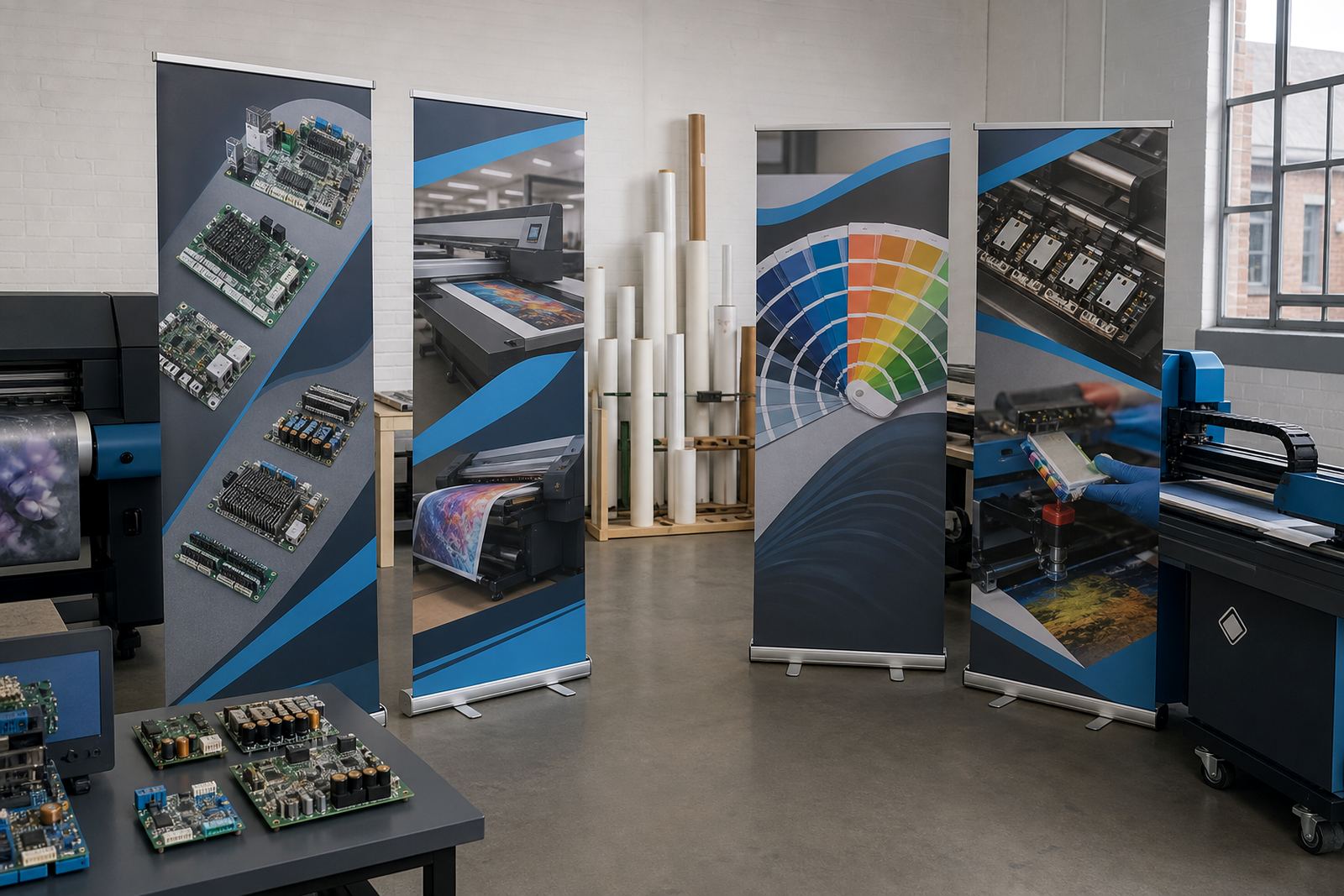
The client was an event graphics team in Fourways, working from a busy production space that handled vinyl, banner material, self-adhesive film and rigid display panels for launches, exhibitions and venue branding. Their challenge was not a single broken machine. It was the way jobs were moving through the shop floor. Urgent files were pushing past planned work, media was being loaded in a poor sequence, and operators were spending too much time guessing which queue should run first.
The brief was clear: improve turnaround without changing the core printer fleet, reduce mistakes on colour-critical work and make the print room easier to manage when multiple jobs landed at the same time. The team also wanted a cleaner handover between design, RIP preparation and output, because a missed step there was creating avoidable reprints and extra trimming work later in the day.
What was holding the line back
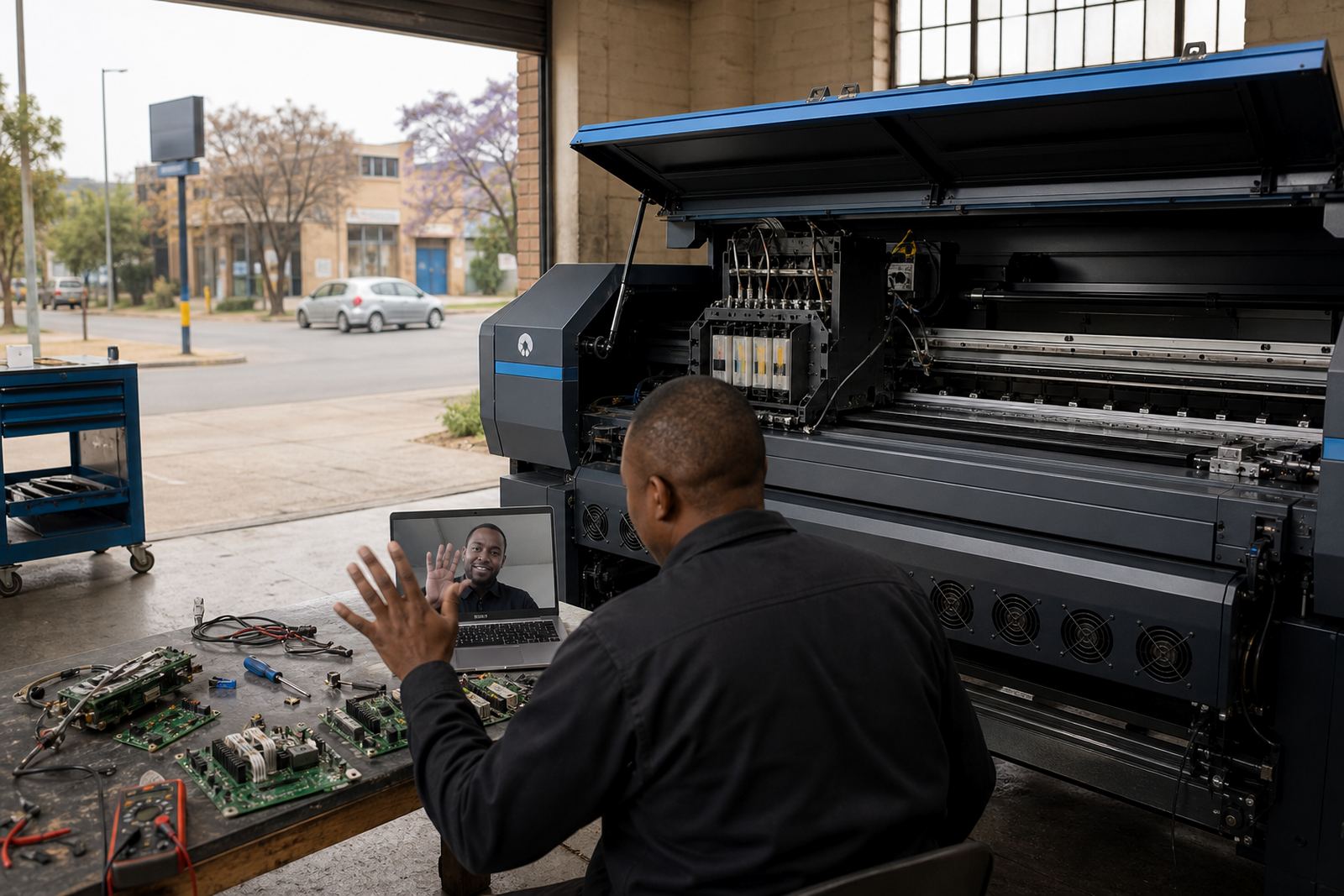
The site had a mixed workload, with short-run event pieces sitting beside larger production batches. That meant the RIP setup had to deal with different media widths, a range of ink limits and file types arriving from different designers. The print room also had a practical constraint common in Gauteng, the team needed dependable remote support because the pace of work left very little room for long interruptions.
- Queue priority was not set around actual delivery order.
- Some media presets were being reused on the wrong substrates.
- Colour profiles were close, but not tied tightly enough to each material.
- Operators had no consistent checklist for nozzle checks, purges and test strips.
- Backup files for key presets were stored in more than one place.
The result was small delays that added up over a week. A late correction on one roll could push back another, and the team had to compensate by working longer hours around installation schedules. In event work, that kind of drift shows up fast on site and it is hard to recover once the truck is loaded.
The setup we put in place
We supplied RIP software configuration, printhead driver setup, queue workflow design and remote setup support for the production system. The focus was not only on output quality, but on the order in which jobs were prepared and released. We also checked board communication where the control hardware was part of the workflow, then aligned the print presets with the actual media in use.
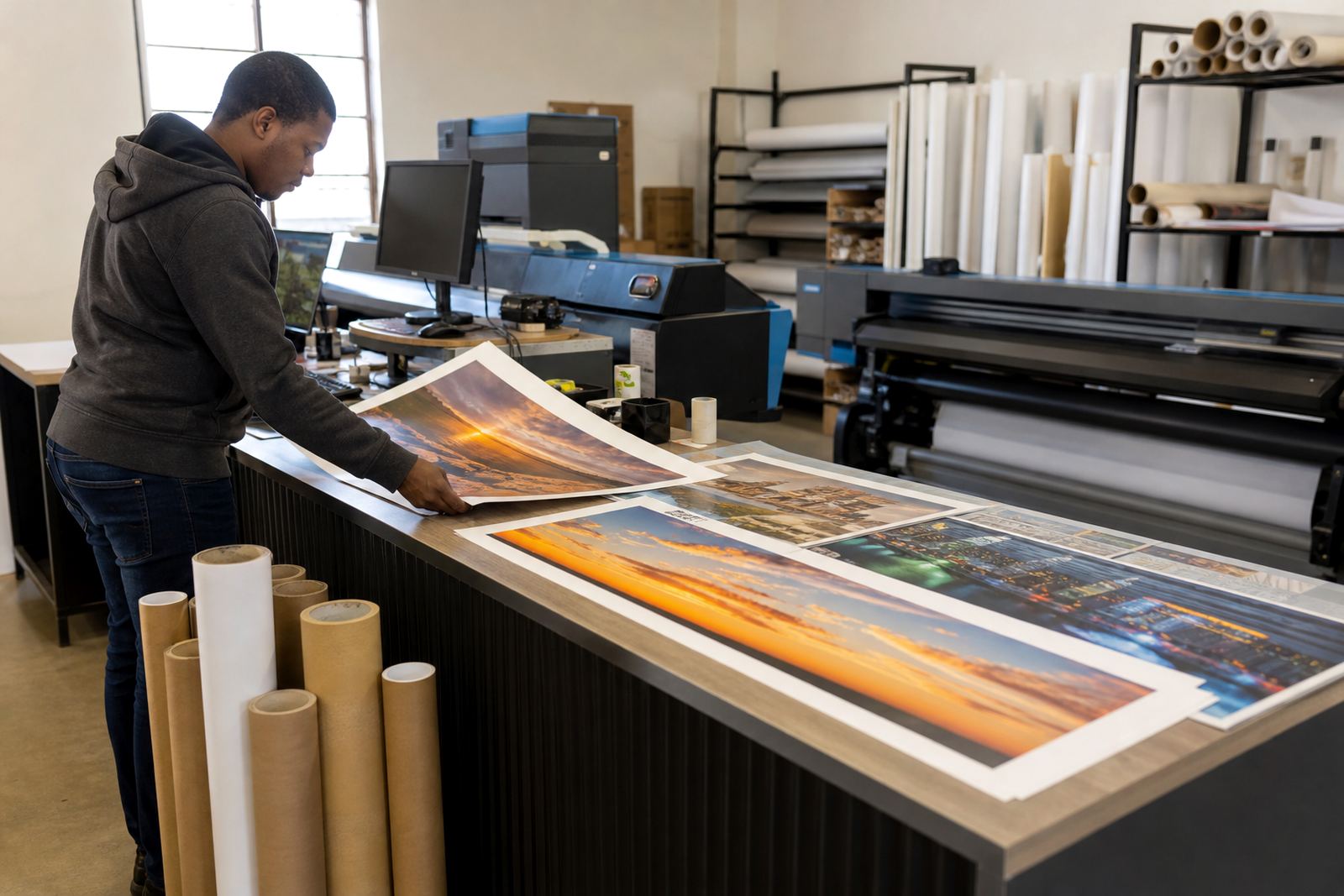
Colour profile setup was matched to the materials the team used most often, including coated banner stock, matte display board and gloss adhesive vinyl. That let the operators keep stronger control over colour saturation, blacks and edge detail. We also adjusted nesting so smaller pieces could be grouped without wasting usable width, which mattered on the longer runs where material cost carried more weight.
- RIP installation and licence configuration
- Board installation review and driver mapping
- Colour profile setup for event display media
- Queue workflow design for urgent and scheduled jobs
- Fault finding on output inconsistency and feed behaviour
- Backup and recovery planning for presets and profiles
How the work unfolded over three weeks
Week one covered audit and stabilisation. We reviewed the printers, checked printhead driver settings, mapped the main media types and cleaned up the queue structure. The operators were shown how to separate rush work from booked production without losing track of either. That first stage also included practical maintenance checks, because a print room that skips routine inspection often chases the same faults over and over.
Week two focused on colour and nesting. We built profiles for the main substrates, tested them against sample output and adjusted ink limits where the stock was carrying too much gain. During that phase, the team could see which files needed heavier handling and which could move straight through. Week three covered training and support handover, with operator training, backup routines and production tuning for a steadier daily rhythm.
By the end of the three weeks, the shop had a clearer path from incoming artwork to final print. The team could sort work by urgency, substrate and machine use, which reduced the stop-start pattern that had been slowing them down. The change was not dramatic in a flashy way, it was practical and visible at the cutter table and on the loading bay floor.
What shifted once the queues were ordered better
The biggest gain was better turnaround on mixed event work. Jobs stopped fighting each other in the queue, and the operators had a clearer sense of what to run first when a same-day piece landed. Media planning improved too, because the team could match each sheet or roll to a preset before the file reached the printer.
- Fewer reprints caused by the wrong preset or profile.
- Cleaner handover between design prep and output.
- Less waste from poor nesting and incorrect media selection.
- More predictable output on colour-sensitive event graphics.
- Better control over maintenance tasks that affect print consistency.
For an event graphics operation, that kind of control matters because the work is usually tied to venue deadlines, installations and short notice changes. A queue that is set up properly gives the team breathing room when the pressure rises. It also makes remote support easier, because faults can be isolated faster when the workflow is already organised.
The parts of the setup we would repeat
We would repeat the same order of work on another event print site in Gauteng or elsewhere in South Africa: audit first, queue structure next, then profiles, then operator training. That sequence gave the team enough stability to absorb changes without overloading the print room. It also kept the focus on what affects output day to day, not on cosmetic changes that do not move jobs through the system.
For a similar operation in Johannesburg, Pretoria, Durban, Cape Town or Bloemfontein, the useful starting points would be the same: media planning, colour control, backup discipline and a clear queue rule for urgent work. When those parts are in place, the printers work with less friction and the operators spend more time printing and less time recovering from avoidable setbacks.
Key facts
| Project type | Event graphics print room workflow upgrade |
|---|---|
| Town | Fourways, Johannesburg |
| Timeline | 3 weeks |
| Scope | RIP installation, queue workflow design, colour profile setup, remote support |
| Materials | Banner stock, self-adhesive vinyl, matte display board, coated media |
| Outcome | Faster turnaround and tighter control over mixed event jobs |